
Hi there!
This is the second issue of “Buy the Umbrella”, a short list of interesting things I’ve been reading and thinking about during the week.
Tweet
Josh Wolfe, co-founder of Lux Capital, shared a thought-provoking tweet:

The reaction of fear or dismissal is usually evoked when nuclear power is referred to as a solution to our energy demands, due to worries over an accident.
The most serious nuclear accident happened in 1986 in Chernobyl. A quarter of a century later, in 2011, the Fukushima nuclear disaster in Japan occurred. This was caused by a tsunami as result of a magnitude 9.0 earthquake. Importantly, there were no deaths reported due to radiation this time.
The negative sentiment on this form of clean and reliable energy continues. This is despite an independent investigation by NAIIC, which "found that the causes of the accident had been foreseeable" and that the operator of the plant TEPCO "had failed to meet basic safety requirements such as risk assessment, preparing for containing collateral damage, and developing evacuation plans". The NAIIC report suggests the accident was clearly "manmade" and therefore avoidable, had international standards been met.
Germany, who had overcome its nuclear power fears following the Chernobyl disaster, once again had a panicked response to the Japanese disaster. It decided (and is still on track) to phase out all of its nuclear energy by 2022. Incredibly, the share of the power generation mix from nuclear has declined to 11.4% as of 2020, down from 29.5% in 2000. Meanwhile, natural gas usage has almost doubled to 16.2% as of 2020. As a result, Germany has found itself increasingly relying on Russia for its energy needs, as we have seen recently with the "gas shortage" events.
If global policy makers decide to address these political and economic risks without sacrificing the need to transition to cleaner forms of energy, then my view is nuclear will have to play an important role. An often-forgotten point is that is nuclear energy has a big advantage over solar and wind: it is not weather dependent. This makes it highly predictable and ultimately, reliable.
If the pivot above was to materialize, it would increase demand for uranium, driving prices higher and in turn, should generate attractive investment returns for the uranium mining sector.
Quote
"In the post-war period the US stock market has gone up in around 70% of the years because the US economy grows most of the time.
Odds much less favorable than that have made casino owners very rich, yet most investors try to guess the 30% of the time stocks decline, or even worse spend time trying to surf, to no avail, the quarterly up and down waves in the market.
Most of the returns in stocks are concentrated in sharp bursts beginning in periods of great pessimism or fear, as we saw most recently in the 2020 pandemic decline. We believe time, not timing, is key to building wealth in the stock market."
Charts
Energy
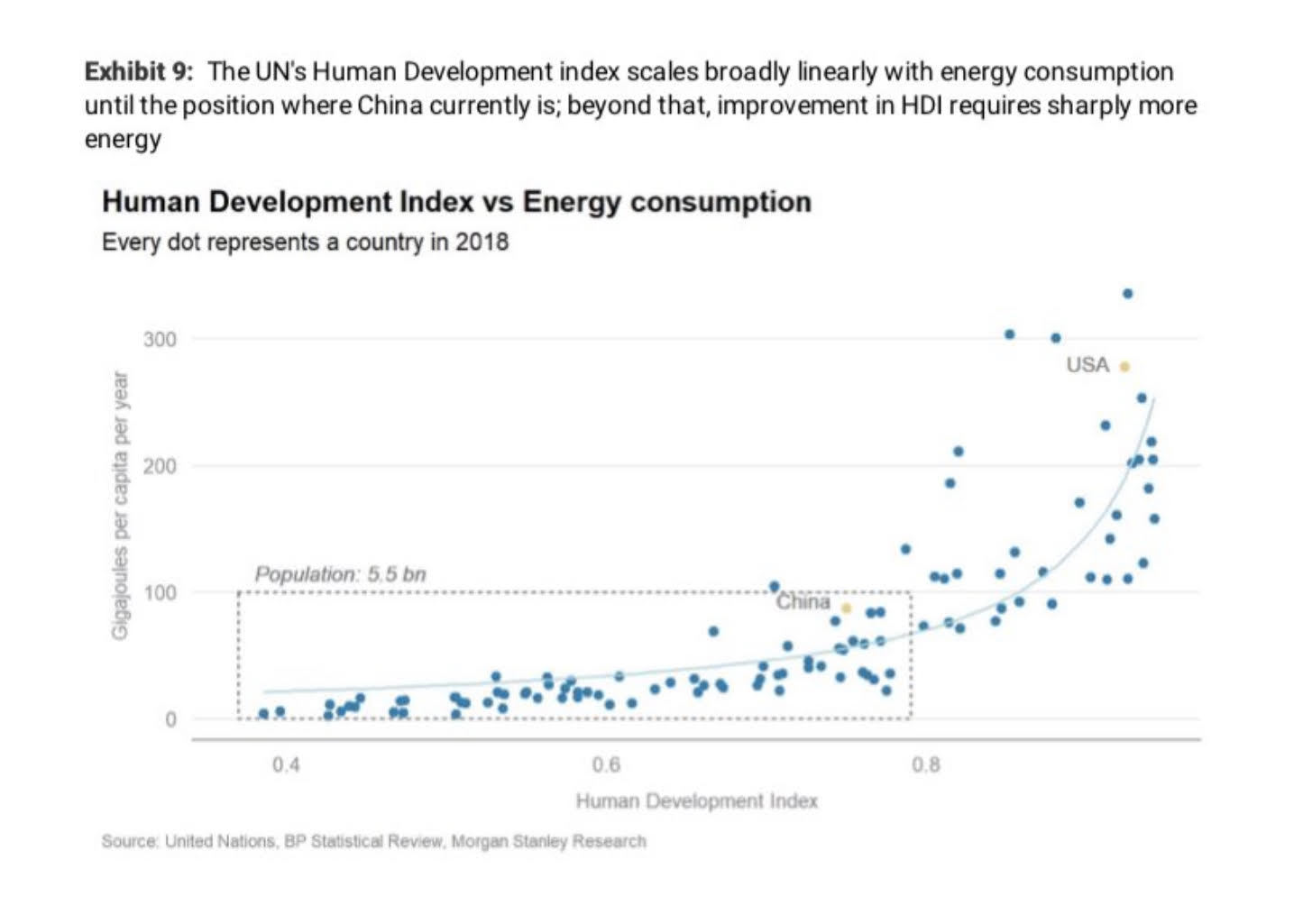
This chart is helpful in shaping our views on future global energy needs: as countries develop, they consume more energy. Over 5.5 billion people are expected to increase their living standards and over time, will consume sharply more energy.
Inflation
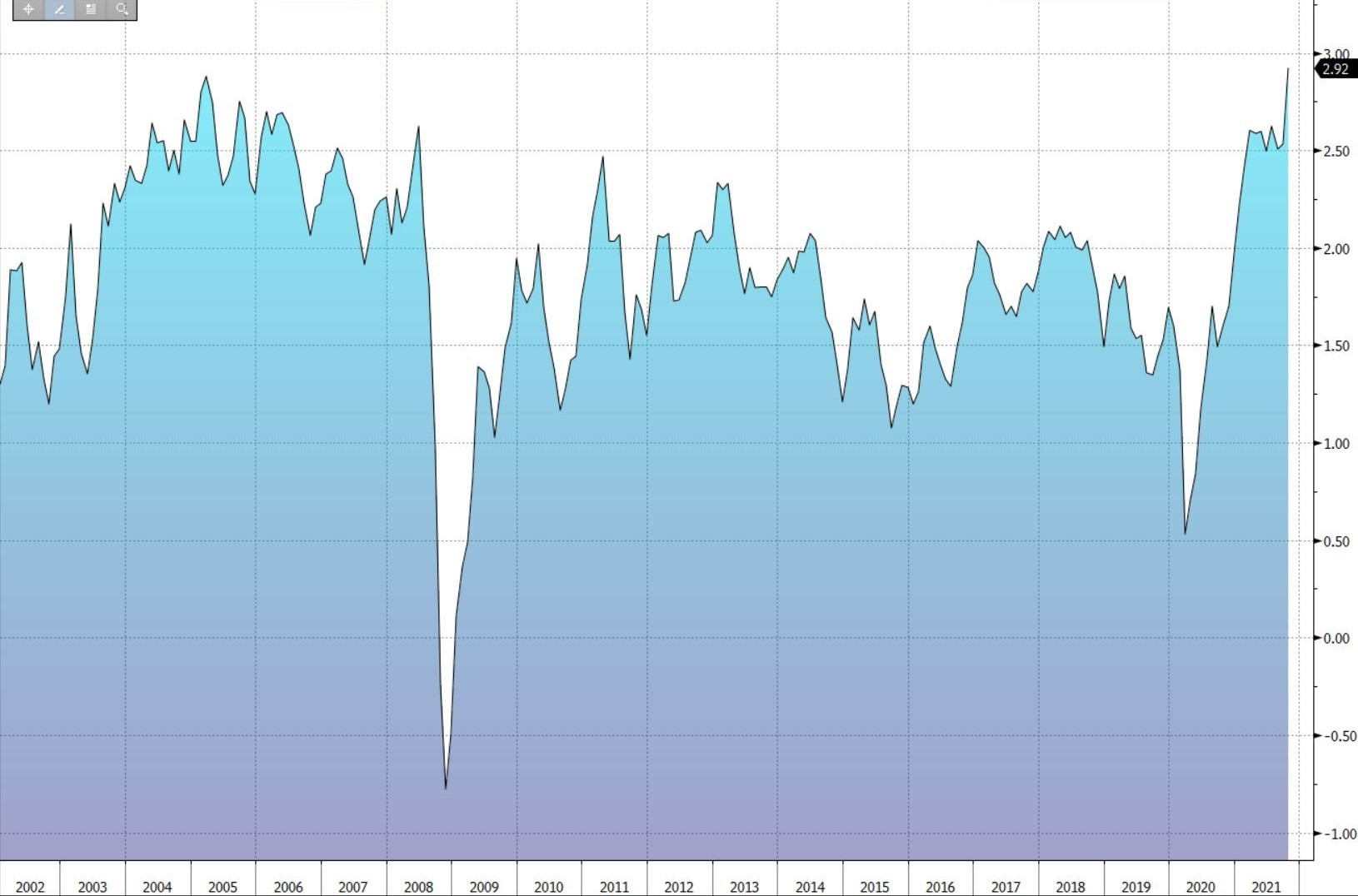
US inflation expectations continue to rise, reaching the highest level in almost 20 years. This is adding to the debate of whether the Federal Reserve and other central banks need to take more concrete action to avoid inflation spiraling out of control.
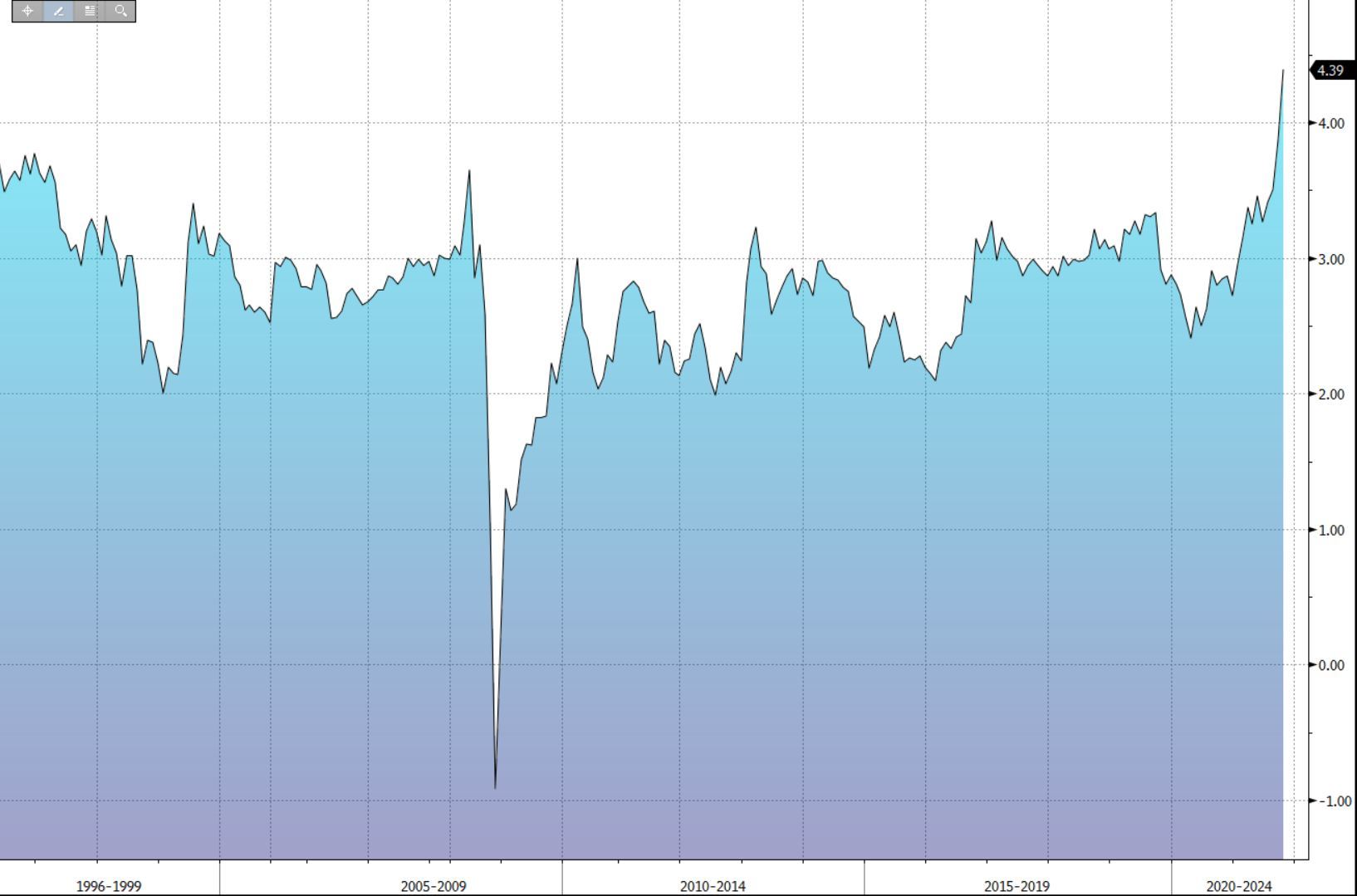
Similarly, the UK is experiencing the highest inflation expectations in 20 years. The Bank of England's governor recently signaled to the market that they will raise interest rates, possibly as soon as next month, to try to counter the inflationary pressures building up in the economy.
Article
As crypto currencies and "stable coins" continue to gain the attention of regulators, the Chinese government has turned its focus to its central bank-backed digital currency.
China has told McDonald’s to expand a digital Renminbi payments system at restaurants across the country before the Beijing Winter Olympics, as it prepares to launch the world’s first major e-currency. Some worry it will give Beijing access to financial transaction data that may enhance its surveillance capabilities.
It is worth noting that dozens of other countries are considering central bank digital currencies, including the ECB.
Reflection of the Month
The 'The Tail End' by Tim Urban is worth reading at least once every few years. I find it creative in the way Tim reminds us about both our mortality and of those we love. It's a short and easy read.
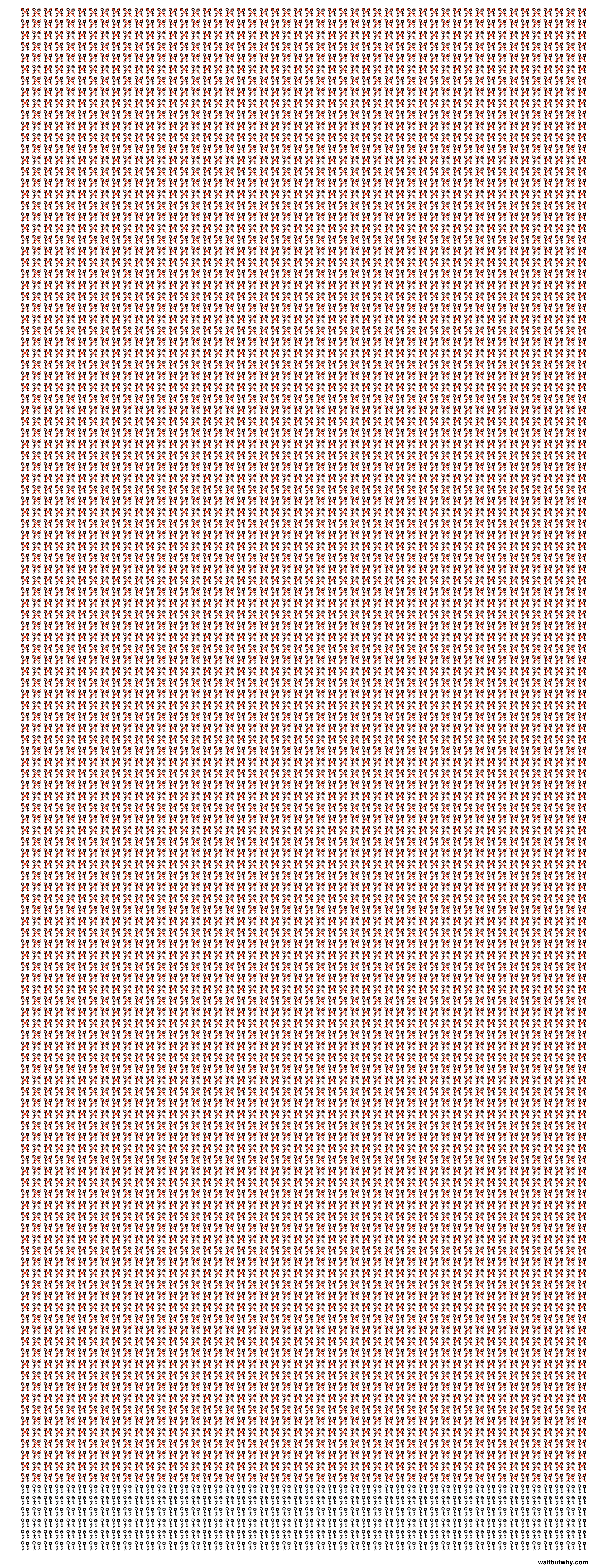
His piece encourages individuals to reflect and be more thoughtful about how one spends their time. Below is an excerpt and graphic which will hopefully encourage you to read the whole piece:
I’ve been thinking about my parents, who are in their mid-60s. During my first 18 years, I spent some time with my parents during at least 90% of my days. But since heading off to college and then later moving out of Boston, I’ve probably seen them an average of only five times a year each, for an average of maybe two days each time. 10 days a year. About 3% of the days I spent with them each year of my childhood.
Being in their mid-60s, let’s continue to be super optimistic and say I’m one of the incredibly lucky people to have both parents alive into my 60s. That would give us about 30 more years of coexistence. If the ten days a year thing holds, that’s 300 days left to hang with mom and dad. Less time than I spent with them in any one of my 18 childhood years.
When you look at that reality, you realize that despite not being at the end of your life, you may very well be nearing the end of your time with some of the most important people in your life. If I lay out the total days I’ll ever spend with each of my parents—assuming I’m as lucky as can be—this becomes starkly clear:
You can read the full article by clicking here.
Until next time...
Thank you for reading this week's issue. If you found this interesting, please consider sharing it with a like-minded friend or family member.
If you have any questions or feedback, please reach out!
Have a great week.
Why ‘Buy the Umbrella’?
Individuals, many of whom also run businesses and governments, tend to not think of the downside when the present is stable, and the future is looking positive (usually when we feel most in control).
Just because it is currently sunny, does not mean it will never rain. We need to buy the umbrella before it rains. Otherwise, by the time we are running around looking for an umbrella in the middle of a storm, they tend to be in short supply.
At the same time, we cannot allow our awareness of risk to make us fearful, pessimistic, or paranoid, as this too works against us over the long-term.
Having the right mindset in advance is critical. The challenge is getting the right balance between being optimistic about the future and being able to not only withstand future crisis, but in fact grow stronger due to the opportunities they tend to present. It is not enough just to be conservative. You need to be willing to put cash to work when others feel least comfortable doing it. To do that with confidence, we need to have a foundational understanding of business and markets.
Our mission is to learn as much about the world as possible, and in doing so, to try to find investment opportunities with favourable risk/reward characteristics. These should, over the long term, help build sustainable wealth and enable financial freedom.